
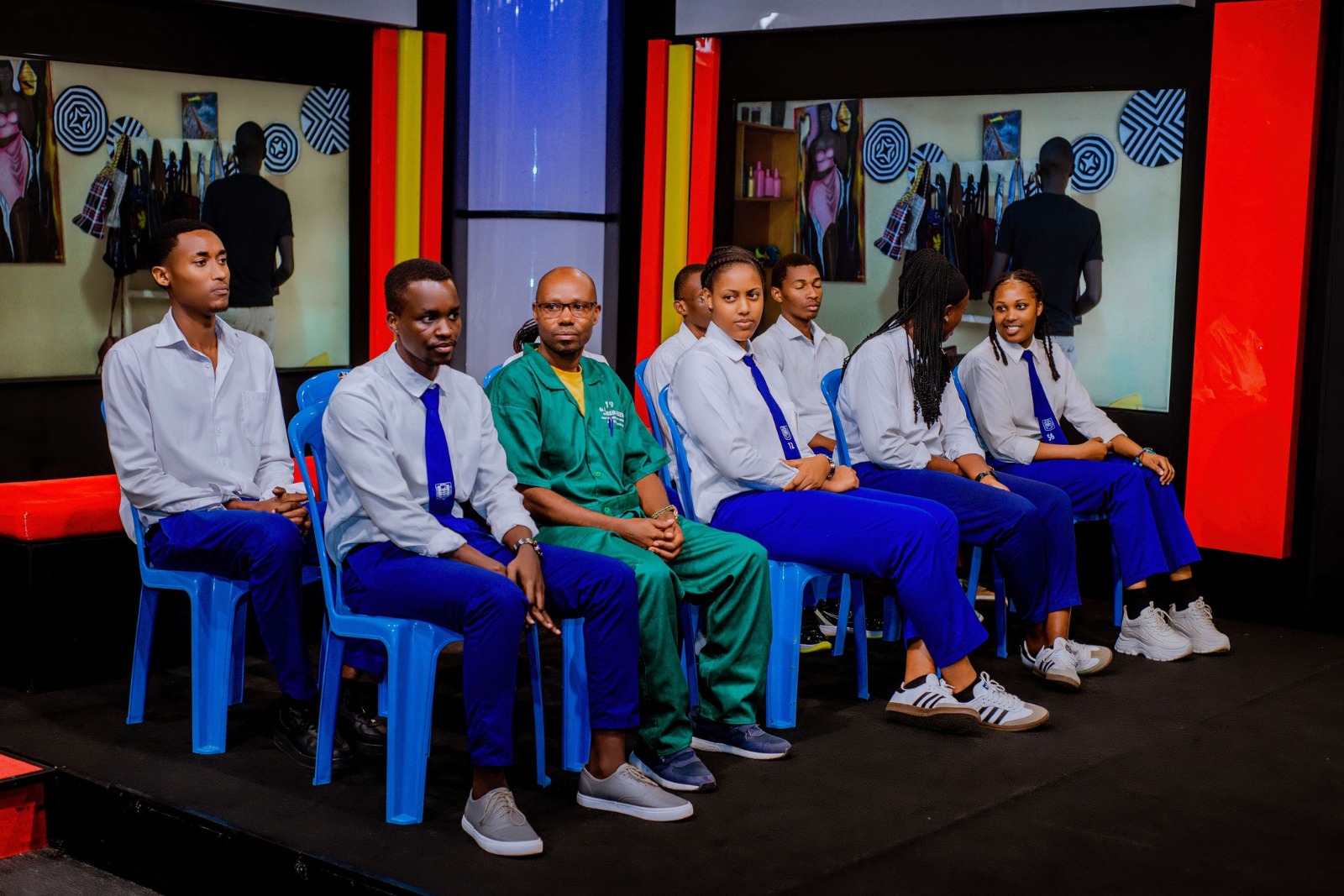

GS APRED NDERA Secondary School stands as one of Rwanda’s respected educational institutions, with a rich history rooted in a commitment to academic excellence, character development, and skills-based education. Established in 1984 by the Association for the Promotion of Education (APRED), the school was founded with a clear vision: to provide quality education that would empower young people with the knowledge, values, and practical competencies needed to contribute positively to society.
From its inception, APRED recognized the transformative power of education in improving lives and strengthening communities. The founders believed that every child deserved access to quality learning opportunities regardless of background, and that education should not only focus on academic achievement but also on developing responsible, disciplined, and productive citizens. These principles became the cornerstone upon which GS APRED NDERA was built and continue to guide the institution today.
The establishment of the school in 1984 came at a time when Rwanda was experiencing a growing demand for quality educational opportunities. APRED responded to this need by creating a learning environment that would nurture intellectual growth while promoting moral values and social responsibility.
In its early years, the school operated with limited resources but with a strong commitment from its founders, teachers, parents, and the surrounding community. Through dedication, perseverance, and a shared vision, the institution steadily expanded its educational programs and strengthened its reputation as a center of learning and excellence.
The school’s growth was driven by the belief that education should prepare learners not only for examinations but also for life. This philosophy encouraged the development of a holistic approach to education that combined academic instruction with discipline, leadership development, and community engagement.

A significant part of the school’s success can be attributed to the visionary leadership that guided its development over the years. Among the key figures in the institution’s history was the late Andrew Kalisa, whose dedication to education and youth development left a lasting impact on the school community.
His leadership emphasized quality teaching, student mentorship, integrity, and innovation. Under this guidance, the school strengthened its educational programs and expanded opportunities for learners to develop both academically and personally. The values he championed continue to inspire the school’s mission and remain deeply embedded in its culture.
Throughout its history, GS APRED NDERA has benefited from the commitment of teachers, administrators, parents, alumni, and partners who have contributed to the school’s development and success. Their collective efforts have helped shape an institution that is recognized for its commitment to excellence and continuous improvement.
Over the decades, GS APRED NDERA experienced remarkable growth in both student enrollment and educational offerings. As the needs of learners and the country evolved, the school continuously adapted to ensure that its programs remained relevant and responsive to national priorities.
The institution expanded its infrastructure to accommodate growing numbers of students and to provide improved learning facilities. Classrooms, laboratories, workshops, administrative offices, and other educational resources were progressively developed to support quality teaching and learning.
The school’s reputation for academic achievement and student discipline attracted learners from different parts of Kigali and beyond. As a result, GS APRED NDERA became known not only as a place of learning but also as a community that nurtures ambition, creativity, and leadership.
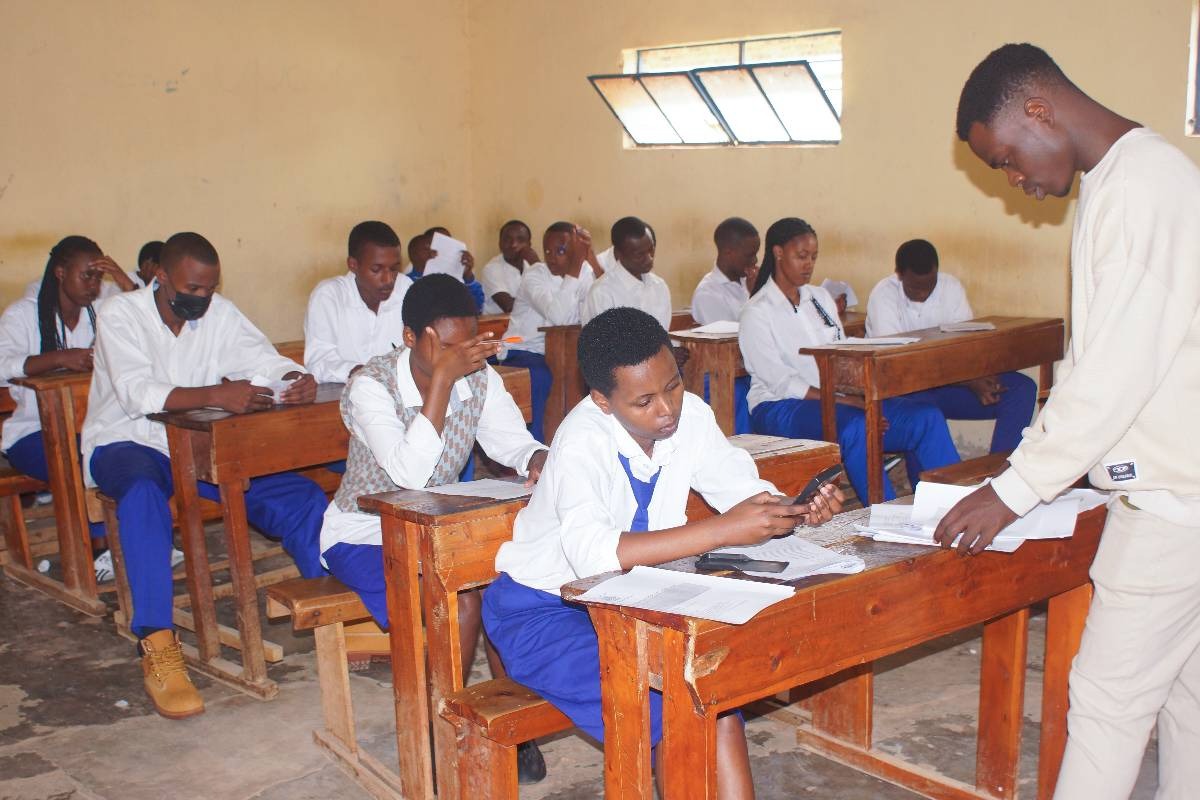
Since its establishment, academic excellence has remained at the heart of the school’s mission. GS APRED NDERA has consistently worked to provide a learning environment that encourages critical thinking, problem-solving, creativity, and lifelong learning.
The school follows the national curriculum established by the Rwanda Basic Education Board (REB) and embraces competency-based learning approaches that prepare students for success in higher education and future careers. Through dedicated teaching staff, effective instructional methods, and continuous assessment, students are supported in achieving their full academic potential.
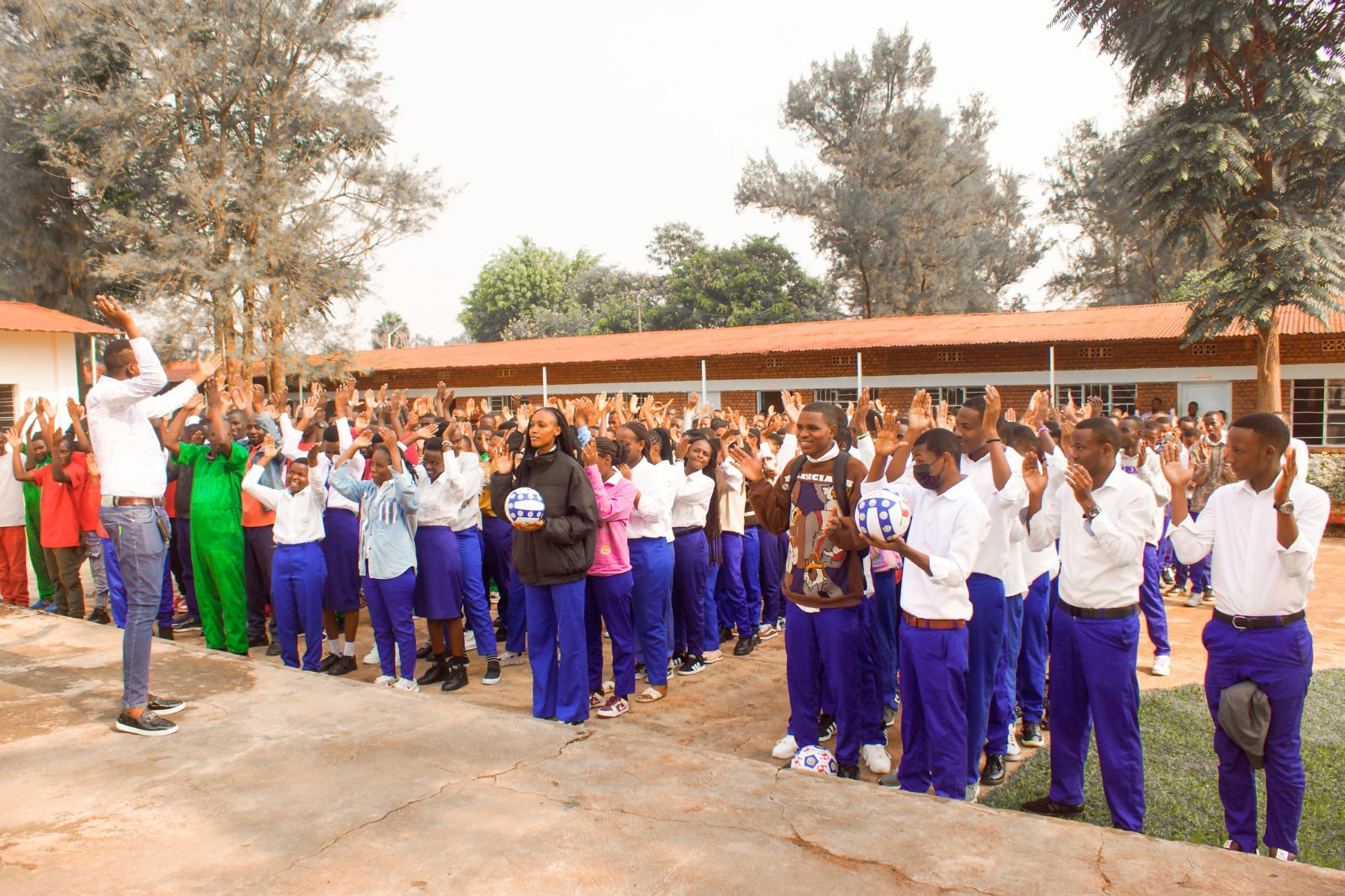
Beyond classroom instruction, learners are encouraged to participate in co-curricular activities that contribute to their personal development and enhance their educational experience. These activities help students build confidence, leadership skills, teamwork, and a strong sense of responsibility.
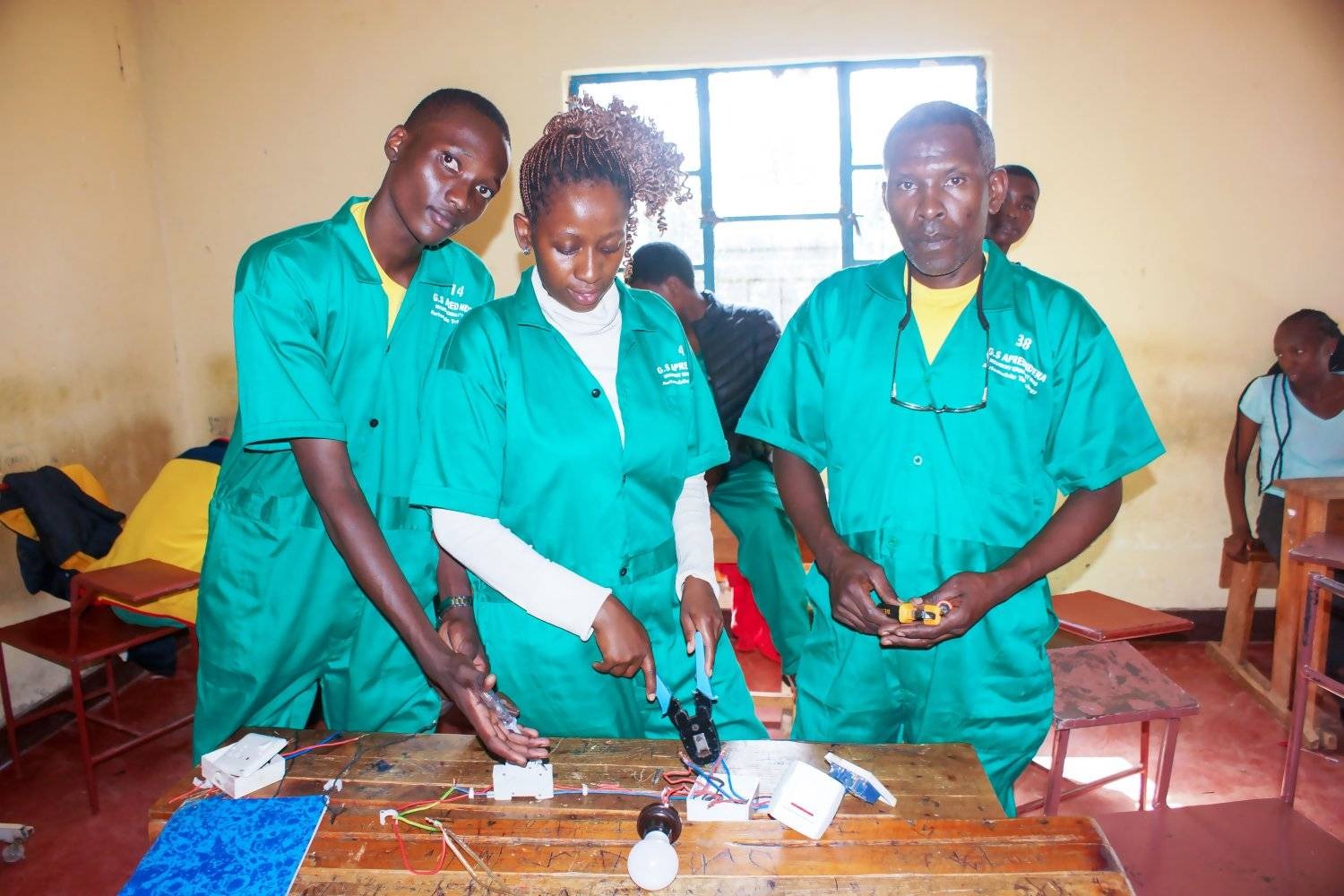
Recognizing the increasing importance of practical skills in national development, GS APRED NDERA expanded its educational mission to include Technical and Vocational Education and Training (TVET). This strategic decision reflected the school’s commitment to preparing learners for the realities of the modern labor market and entrepreneurship.
Today, the school offers a variety of technical and vocational programs designed to equip students with industry-relevant competencies and hands-on experience. These programs include:
- Automobile Repair and Maintenance
- Automobile Mechanics
- Domestic Electricity
- Hair Dressing and Beauty Industry
- Computer Reapair and Maintenance
- Computer Application
Through these programs, students gain practical knowledge, technical expertise, and entrepreneurial skills that prepare them for employment, self-employment, and further professional development. The integration of TVET into the school’s educational framework reflects its belief that practical skills are essential for economic growth and individual success.
As education continues to evolve in the digital age, GS APRED NDERA has embraced innovation and technology as important tools for teaching and learning. The school recognizes that modern learners must be equipped with digital competencies that enable them to thrive in an increasingly technology-driven world.
Efforts have been made to integrate Information and Communication Technology (ICT) into educational activities, improving access to learning resources and enhancing the quality of instruction. By embracing technology, the school seeks to prepare students for the demands of higher education, modern workplaces, and global citizenship.
Throughout its history, GS APRED NDERA has maintained strong ties with the communities it serves. The school believes that education should contribute to the social and economic development of society and encourages students to become active participants in community life.
By promoting values such as integrity, respect, discipline, compassion, and service, the institution seeks to develop graduates who are not only knowledgeable but also socially responsible. Many former students have gone on to contribute meaningfully in various professions, businesses, public institutions, and community initiatives across Rwanda and beyond.
The achievements of its alumni serve as a testament to the school’s enduring commitment to excellence and its positive impact on generations of learners.
As GS APRED NDERA Secondary School continues its journey, it remains firmly committed to its founding vision while embracing the opportunities and challenges of the future. The institution aims to further strengthen academic performance, expand technical and vocational training opportunities, enhance educational facilities, and promote innovation in teaching and learning.
Guided by its mission, values, and proud history, the school continues to prepare learners to become competent professionals, responsible citizens, and future leaders who will contribute to the sustainable development of Rwanda and the global community.
Today, more than four decades after its establishment, GS APRED NDERA Secondary School remains a symbol of educational excellence, resilience, innovation, and hope. Its history is a story of dedication, growth, and transformation—a legacy that continues to inspire current and future generations of learners.